SEAGRASS IN A WARMING OCEAN
Photo credit: Giacomo d’Orlando
SEAGRASS
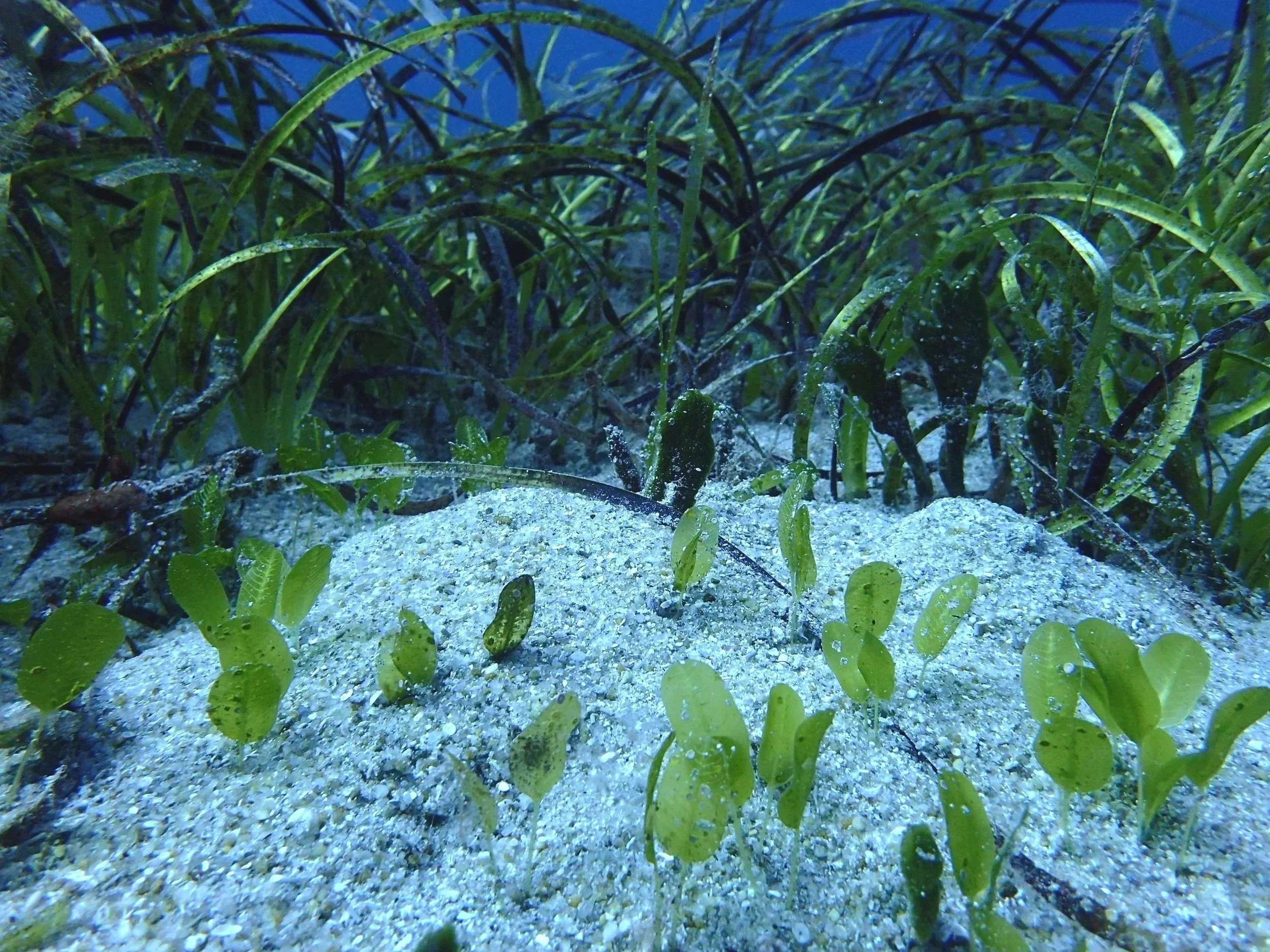
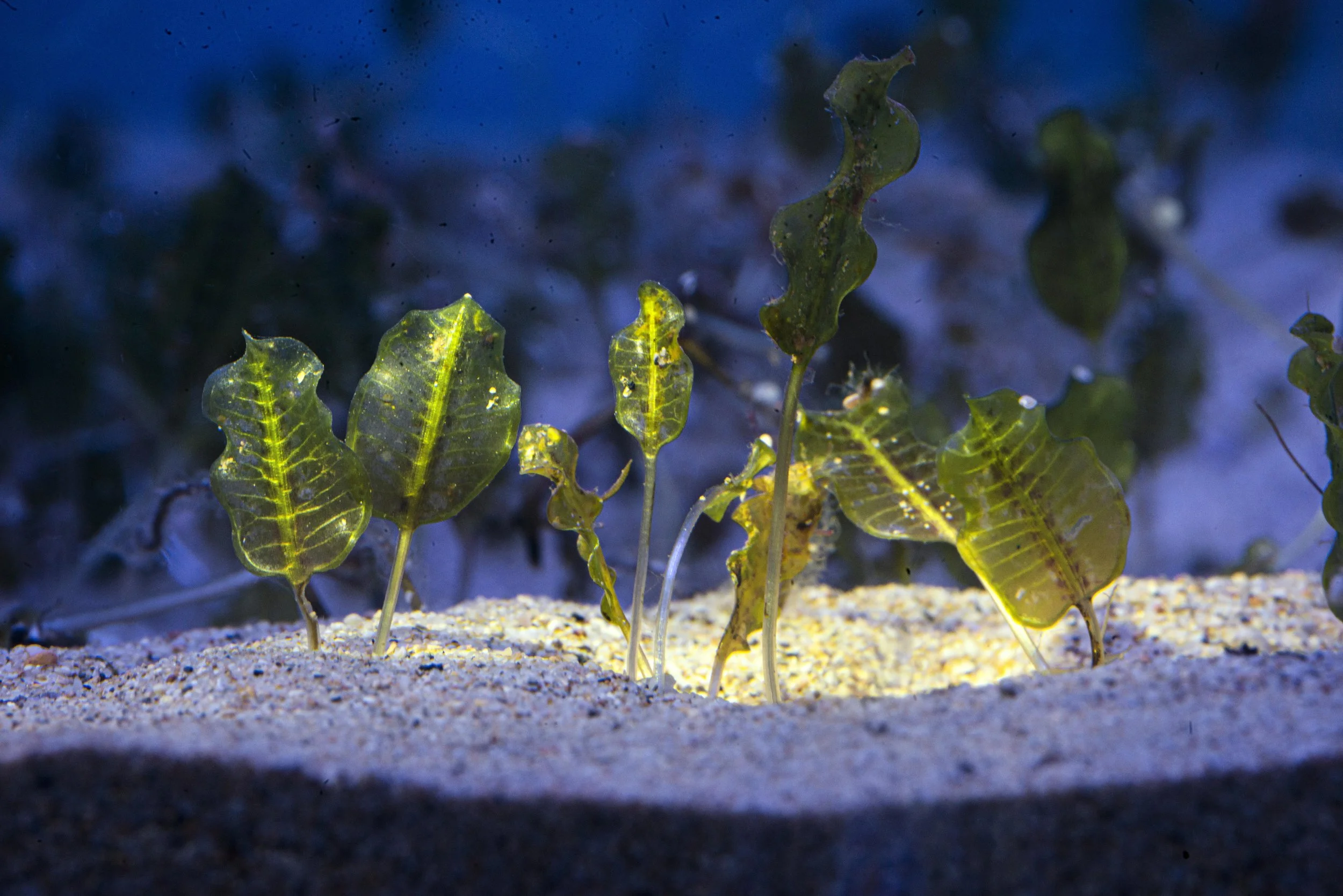
Seagrasses are the only flowering plants in the ocean, forming vibrant underwater meadows that support fishes, marine mammals, turtles, invertebrates, and numerous species. They provide critical ecosystem services, including stabilising sediments that protect our coastline, providing nursery habitats for commercially important species, contribute to recreational activities through ecotourism, and capturing carbon - helping to mitigate climate change.
Western Australia is a global hotspot for seagrass diversity, home to 27 species - almost 50% of the world’s seagrass species diversity.
These vital habitats are under threat from several human pressures, including warming ocean temperatures associated with climate change which can drive large-scale impacts across regions, threatening the health and resilience of our seagrass ecosystems.
MARINE HEATWAVES
Marine heatwaves (MHWs) are periods when ocean temperatures rise far above the seasonal average and persist for extended periods. These events are becoming more frequent and intense and are increasingly recognised as a major driver of ecological change worldwide.
These extreme events have caused widespread damage to marine ecosystems, from coral bleaching to mass die‑offs of invertebrates, shifts in fish populations, and degradation of seagrass meadows. MHWs also disrupt coastal industries, leading to fishery closures and economic losses.
Seagrass meadows are among the ecosystems hit hardest during these heatwaves. Several prominent MHWs have had devastating ecological consequences across the globe. Research from Western Australia highlights the severity of extreme heat stress on seagrass health, particularly during the 2011 MHW, which resulted in an unprecedented loss of 1,300 km² of seagrass — an area equivalent to approximately 75,000 standard Australian football fields — in the Shark Bay World Heritage Area (Gathaagudu). This loss released substantial amounts of stored carbon back into the atmosphere, lead to fishery closures, and triggered cascading ecological consequences.
Seagrass species differ in their ability to tolerate heat, with some being far more vulnerable than others - especially those in warmer, tropical regions. This means that MHWs can fundamentally reshape entire seagrass landscapes, weakening the services they provide to marine life and coastal communities.